The Archive Five Projects · 2019—2026

§ Selected Work

Things I've made,
and what they taught me.

Five projects, sequenced not by date but by what they changed in how I work.

Each case study shows how the problem was framed, what I designed and tested, and what changed as a result.

N° 01 · Journey Management · Unite · 2025—26

One shared
journey.

Building Unite's first Journey Management framework with CXomni and GA4.

Unite's customer journey stretches across multiple products, teams, and touchpoints, but there was no shared way to connect what customers experienced across them.

I began building a Journey Management framework that brings together journey maps, customer insights, and KPIs — giving teams a common structure for identifying and prioritising improvements.

The framework is still evolving, but journey thinking is already becoming part of roadmap and prioritisation discussions.

RoleCX Designer
StackCXomni · GA4
ScopeOrg-wide framework
StatusOngoing
Journey Management CX Omni-channel Stakeholder Workshops
Read the case study
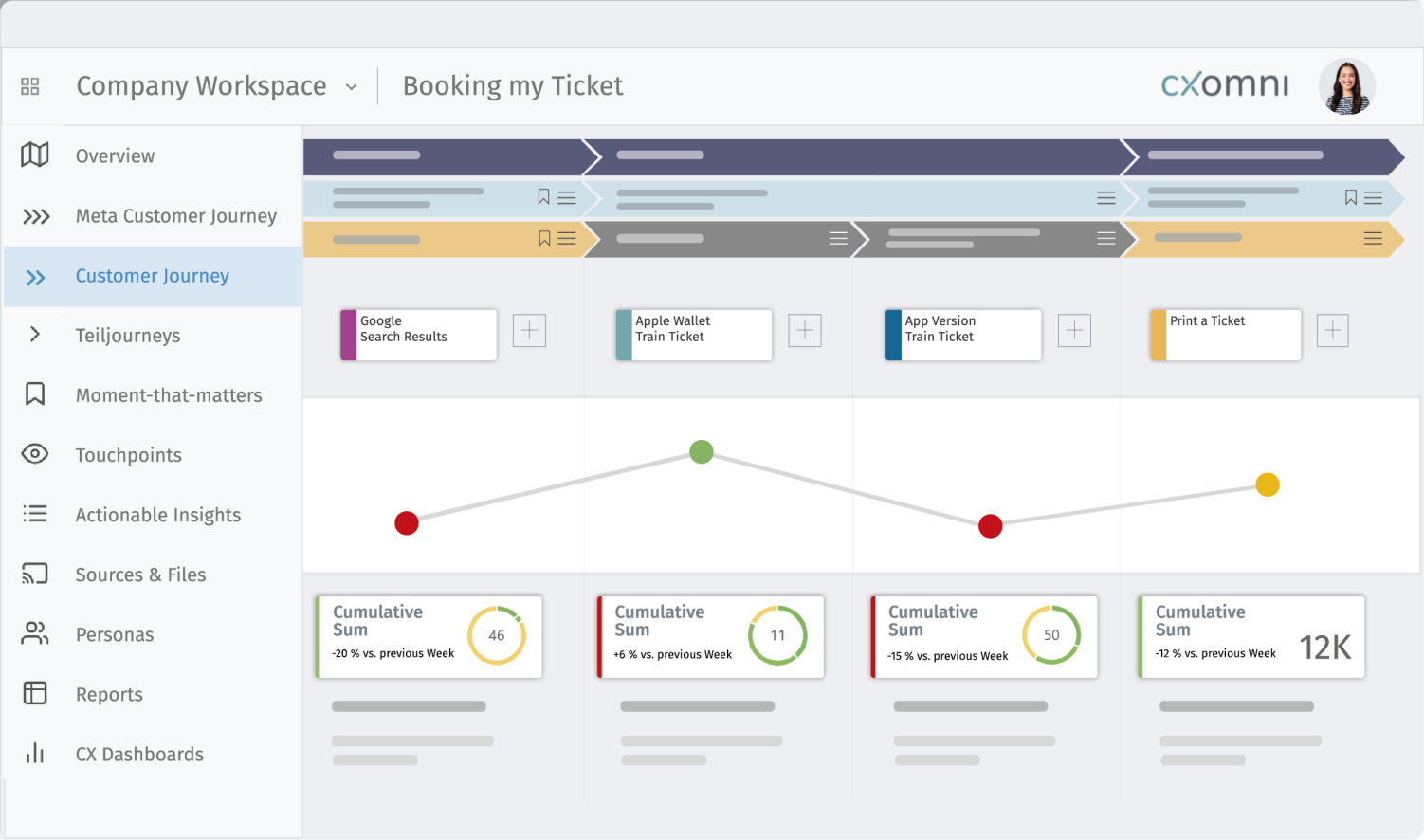
The tool The CXomni journey management interface: a customer journey laid out in horizontal lanes with touchpoints, a sentiment line and KPI cards beneath each stage. CXomni — journey stages, touchpoints, sentiment and KPIs in one view.
To be placed
Asking buyers what was hard, on a schedule.
Research documentation to follow.
N° 02 · User Research · Unite · 2025—26

A panel from scratch.

Building Unite's first B2B/B2G customer research panel and a continuous qualitative feedback loop.

Product decisions were informed by analytics and input from customer-facing teams, but there was no continuous way to hear directly from buyers.

I began building Unite's first B2B/B2G customer panel — setting up recruitment, consent, scheduling, and a recurring cadence of qualitative studies. The longer-term goal is to make customer feedback easier for teams to request, access, and use in product decisions.

RoleCX Designer
MethodMixed qualitative
AudienceUsers across B2B/B2G roles
StatusOngoing
User Research Panel Operations Stakeholder Workshops

Case study in progress

N° 03 · Platform Redesign · Unite · 2022—26

A 25-year-old
marketplace,
relearned.

Redesigning core marketplace flows — from search and checkout to returns and user management — without breaking the habits people had built over years.

Over more than two decades, new features, customer-specific requirements, and changing business needs had shaped the marketplace into a complex product. The challenge was not to replace everything, but to understand what still worked, what created friction, and where change would make a real difference.

I worked across research, user flows, wireframes, and interactive prototypes, testing key decisions with operative purchasers, administrators, and other user groups before implementation.

RoleUX/UI Designer
StackFigma
Duration2022 — 2026
Feature-value testing Service Design Marketplace
Read the case study
Before / after
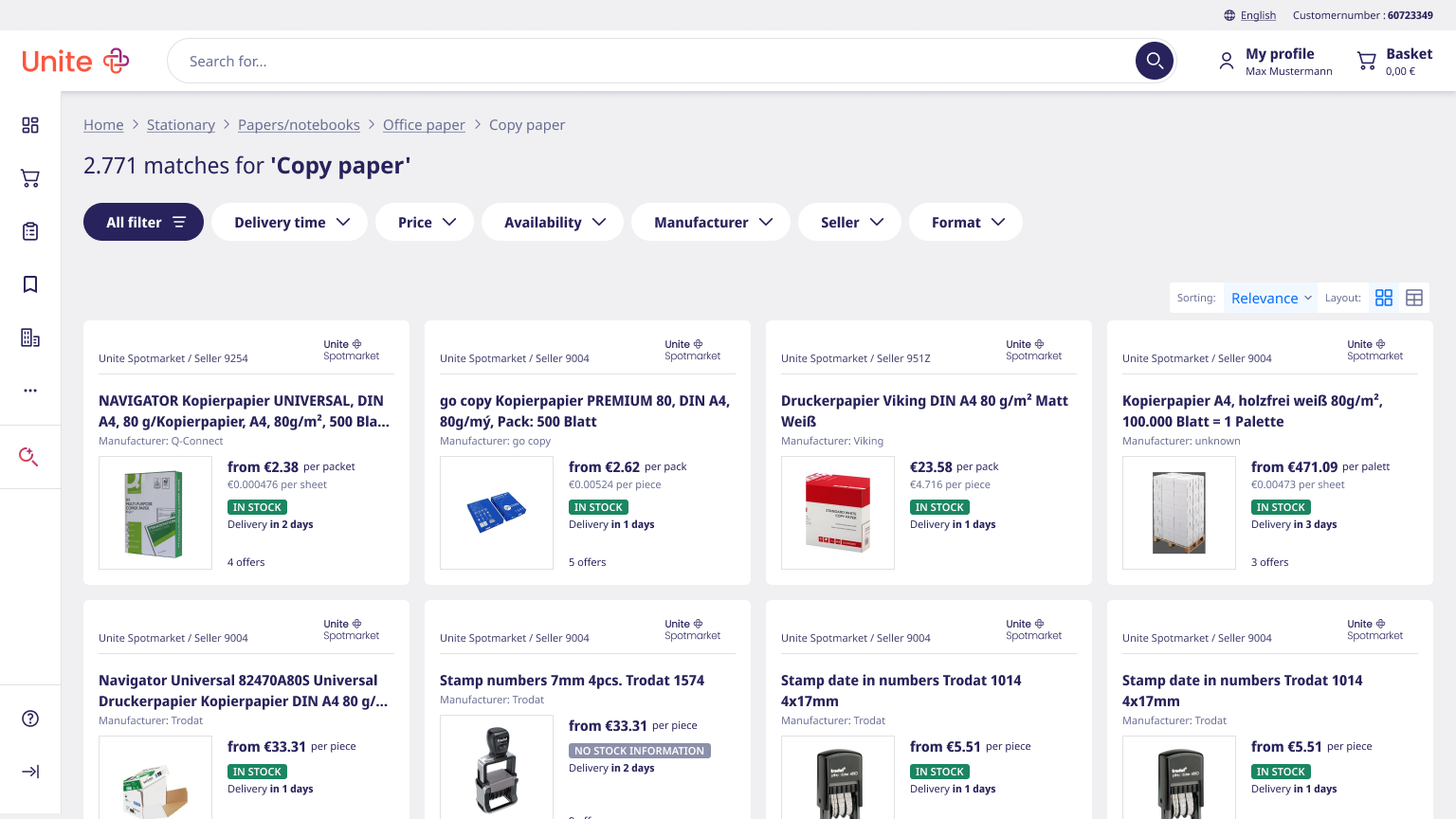
Redesigned Unite search results — filter chips across the top and a clean grid of product cards with delivery and price.
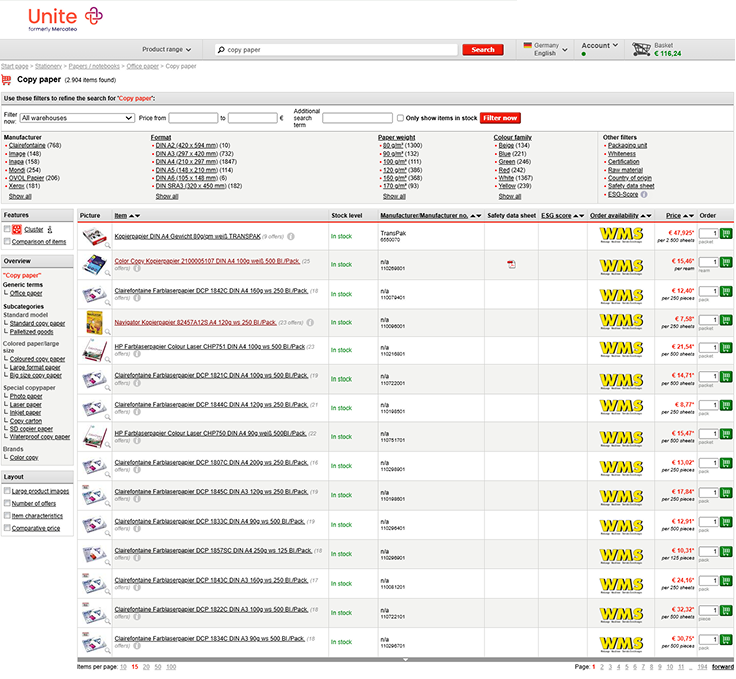
Legacy Unite search results — dense filter block and a packed results table.
Classic Modern
Drag to compare the legacy search results with the redesign.
To be placed
The first screen had to feel like a door that wasn't being watched.
App screens to follow.
N° 04 · Inclusive Design · LEE · 2020—22

A safer place
to land.

Designing a safe and accessible mentoring app for queer youth and the mentors supporting them.

LEE connects queer young people with mentors in a context where privacy and safety are essential. Even details outside the main flow — such as the app icon, notifications, and the use of pseudonyms — could affect whether someone felt comfortable using it.

Surveys and an ecosystem analysis helped me understand the needs of mentees and mentors and develop personas for both groups. I then designed and tested onboarding and mentoring flows around their different needs. The resulting concept was built around anonymity, clear expectations, and accessible support.

RoleUX/UI Designer
MethodResearch · Personas · Testing
PlatformNative mobile
AudienceQueer youth
Inclusive Design Accessibility Native Mobile
Read the case study
N° 05 · Accessibility · Sustify · 2019—21

Making training accessible.

Making workplace safety training understandable for factory workers across different literacy levels and cultural contexts.

Sustify is a digital learning platform for workplace safety training in factories in India and China. Its users had different literacy levels and cultural backgrounds.

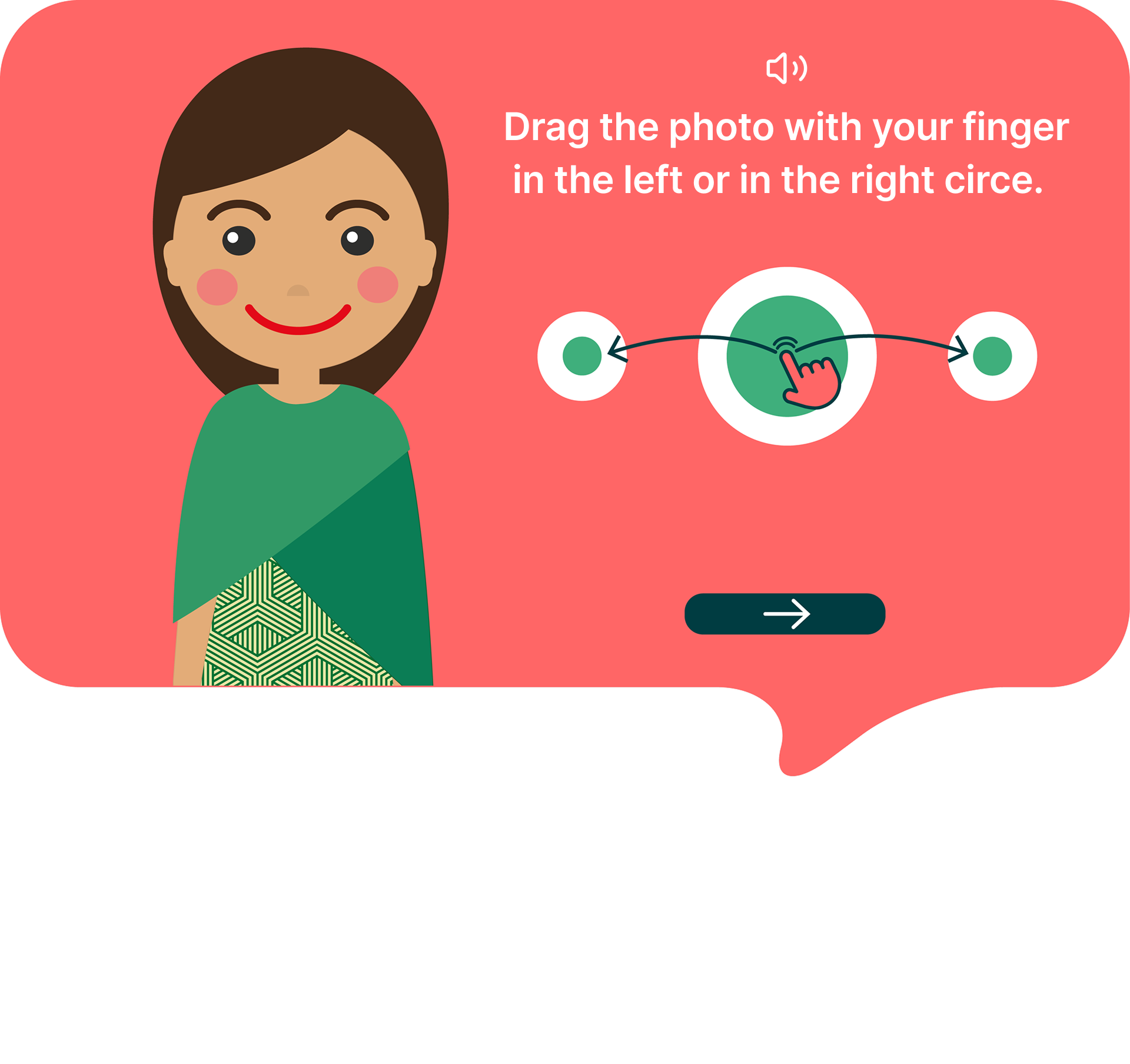
My role was to translate existing learning content into simple, understandable interactions. I worked on information flows and interaction concepts, and identified where illustrations, icons, and other visual cues could support comprehension.

RoleUX Designer
TypeFreelance
AudienceFactory workers
RegionIndia · China
Accessibility Interaction Design Inclusive Design
Read the case study
The exercise Instruction screen from the Sustify training: drag the photo with your finger into the left or right circle. Training that works without relying on reading.

§ Get in touch

Happy to talk about any of these.

There's more that isn't public — client work under NDA, and projects better explained in conversation than in a case study.